By Douglas L. Ringer, PhD — The Turf Veteran
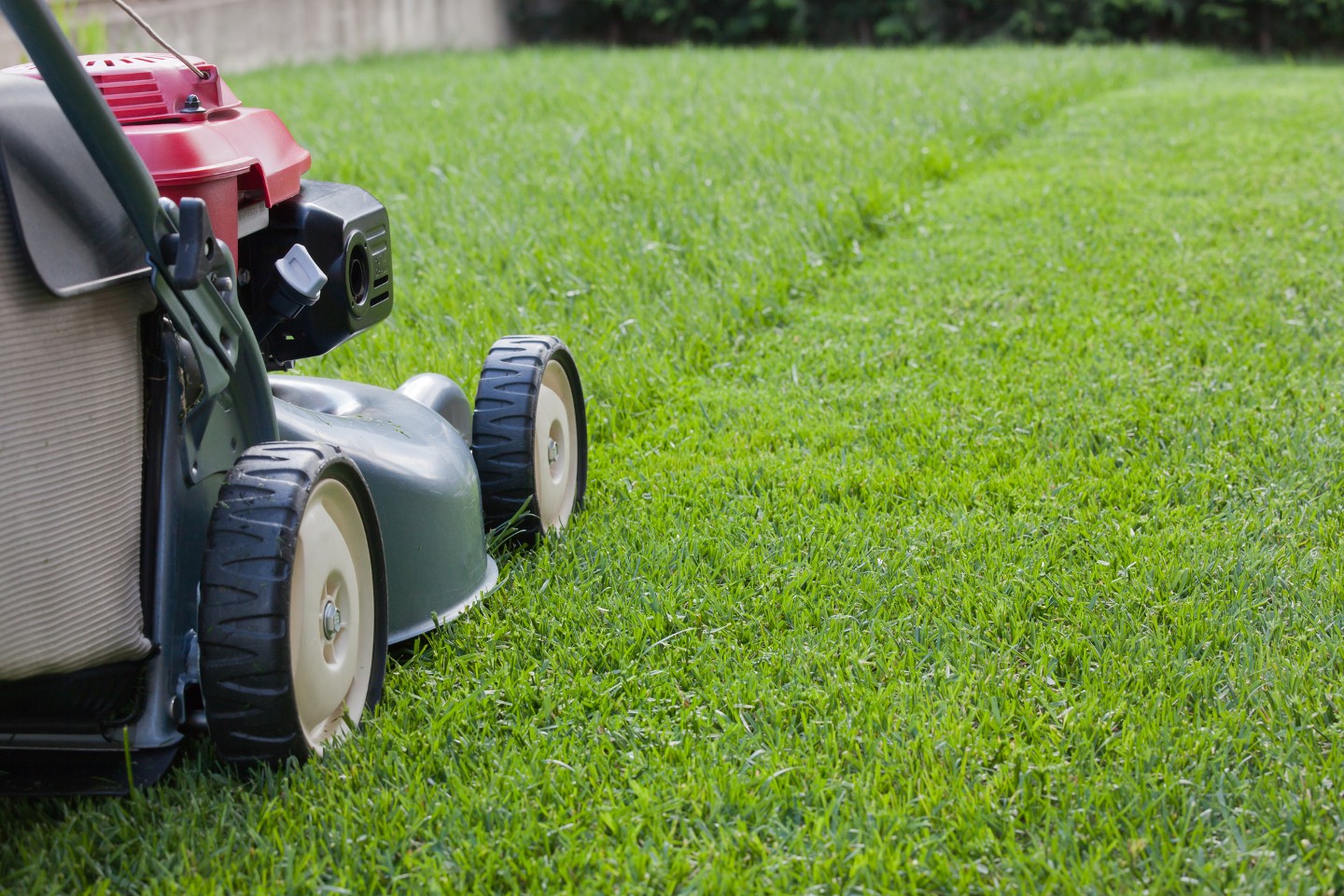
There comes a point every fall in North Texas when mowing the lawn becomes more of a habit than a necessity. The days are getting shorter, the mornings are cooler, and the grass that demanded our attention every five or six days during summer has practically stopped growing. Yet plenty of homeowners continue mowing on the same schedule, sometimes lowering the mower to give the lawn one final haircut before winter. It seems reasonable enough. Unfortunately, the grass doesn’t always appreciate our enthusiasm.
Fall lawn mowing is more than a matter of appearance. As Bermuda, Zoysia, and St. Augustine lawns transition into winter dormancy, the way we manage their remaining leaf tissue can influence the condition of the turf heading into winter. Dormancy is a normal physiological response to shorter days and declining temperatures. The grass may turn brown, but the living crowns, stems, and roots must survive until favorable growing conditions return in spring. Our job is to help the lawn make that transition without adding unnecessary stress.
When Should You Make the Final Fall Lawn Mowing?
For most North Texas homeowners, the final regular mowing occurs sometime between late November and December, depending on the weather and grass species. However, the calendar shouldn’t make that decision for you. Turfgrass responds to environmental conditions, not the date printed on your refrigerator. A warm November may keep Bermudagrass growing longer than expected, while an early series of cold nights can bring the growing season to an abrupt conclusion.
The best approach is to gradually reduce mowing frequency as growth slows, making the final cut when the lawn no longer produces enough new growth to justify regular mowing. Homeowners in Prosper and Celina may notice that lawns within the same neighborhood respond differently to autumn weather. Differences in sunlight, soil conditions, irrigation, exposure, and turfgrass varieties can influence when growth finally stops.
One principle remains consistent regardless of the season: never remove more than one-third of the grass blade during a single mowing. Texas A&M AgriLife Extension’s mowing recommendations emphasize this practice because removing excessive leaf tissue reduces the plant’s photosynthetic capacity. During active growth, healthy turf can generally replace that tissue more quickly. In late fall, declining temperatures and shorter days limit its ability to recover. A severe haircut immediately before dormancy is rather like asking someone to run a marathon just before going into hibernation. The timing could be better.
Why Mowing Height Matters Going Into Winter
A common misconception is that grass should be cut exceptionally short before winter to prevent it from becoming messy or matted. Another is that leaving it unusually tall provides extra insulation against freezing temperatures. There’s some legitimate science behind maintaining adequate canopy height, particularly for cold protection, but neither extreme is a good substitute for managing the grass according to its species and normal growing conditions.
Excessively tall turf can bend over, accumulate moisture and debris, and form a dense surface canopy that becomes difficult to manage after growth stops. Cutting too low creates a different problem. Scalping removes valuable leaf tissue, exposes portions of stems and soil, and reduces the density of the turf canopy. That loss of density can provide additional opportunities for winter annual weeds to establish, especially in areas where the lawn was already thin.
These are the general mowing-height ranges included in our Fall & Winter Readiness guide, based on Texas A&M AgriLife recommendations:
| Grass Type | Recommended Mowing Height |
|---|---|
| Common Bermudagrass | 1½–3 inches |
| Hybrid Bermudagrass | 1–2½ inches |
| Coarse-textured Zoysia | 1–2½ inches |
| Fine-textured Zoysia | 1–2 inches |
| St. Augustinegrass | 2½–4 inches |
These ranges are general guidance, not instructions to dramatically change your mower setting in November. Actual mowing recommendations can differ among cultivars and mowing equipment. A lawn maintained at three inches throughout the summer should not suddenly be scalped to an inch because winter is approaching. The objective is to enter dormancy with a properly maintained canopy, not to perform a last-minute renovation.
Different Grasses, Different Winter Considerations
Bermudagrass generally enters dormancy readily as temperatures decline, with its foliage turning straw-colored while its perennial growing structures remain alive. Zoysiagrass also loses its green color, although the timing varies with cultivar and environmental conditions. St. Augustinegrass is somewhat different. Its broad leaves and aboveground stolons make severe scalping especially undesirable, and its sensitivity to cold injury deserves additional consideration as winter approaches.
University of Georgia Extension’s fall lawn guidance also emphasizes maintaining appropriate mowing height and avoiding scalping as warm-season grasses transition into dormancy. The point is particularly important because mowing height influences the amount of photosynthetic tissue available during the final stages of active growth.
This is one reason I discourage homeowners from treating every lawn as though it were the same species. At American Lawnscape, we manage each property according to its turfgrass, soil conditions, irrigation history, and overall health. The appropriate cultural practices for a dense Zoysia lawn may not be appropriate for St. Augustine, even when the two properties sit directly across the street from one another.
What About Mowing During Winter?
Once warm-season turf has entered dormancy, routine mowing is generally unnecessary. There’s an occasional exception, however. Winter annual weeds such as annual bluegrass, henbit, and chickweed may continue growing while the surrounding turf remains dormant. If those weeds begin flowering, mowing and collecting the clippings before viable seed is produced can help reduce additional seed being returned to the lawn.
Mowing alone is not a substitute for a properly timed weed-control program, but it can complement one. At American Lawnscape, our fall and winter weed-management strategy begins with preventive treatments and continues through the winter under our 4-Season Plan. The objective is to suppress or eliminate winter weeds before they become established across a dormant lawn.
One final consideration deserves mentioning: avoid mowing when the lawn is covered with frost or the soil is saturated. Frost-covered foliage can be vulnerable to physical injury, while heavy mowing equipment operating over wet North Texas clay can create ruts and compaction. Oklahoma State University Extension’s mowing guidance reinforces the importance of appropriate mowing height and avoiding excessively short cutting as seasons change.
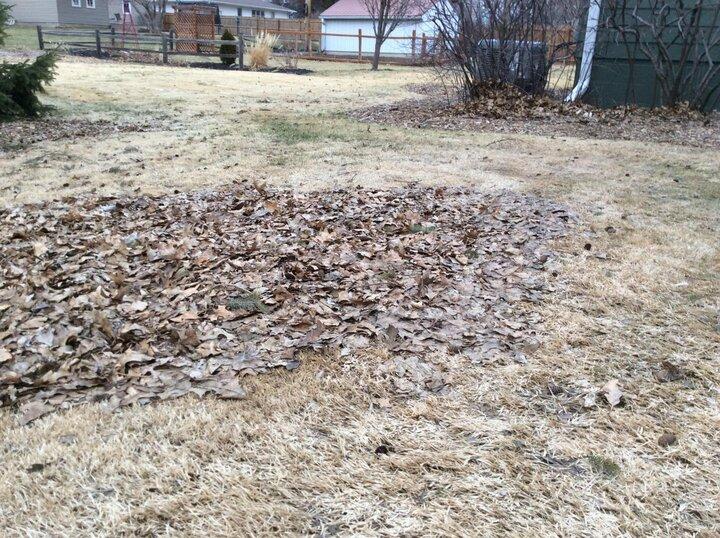
When the lawn has finished growing, there’s no reason to keep mowing simply because Saturday morning used to be mowing day. Put the mower away, keep accumulated leaves and debris from covering the canopy, and allow the grass to complete its transition into winter.
The Turf Veteran’s Take
The final mowing of the year isn’t about making the lawn look perfect for the next three months. It’s about recognizing when the growing season is finished and allowing the grass to enter dormancy without unnecessary stress. Maintain the proper height for your species, respect the one-third rule, and resist the temptation to scalp everything before putting the mower away. A healthy lawn doesn’t need a dramatic farewell to summer. It needs a sensible transition into winter. Sometimes the best thing we can do for our lawns is recognize when it’s time to stop doing something.
As always, reach out to us with any questions! We are always happy to help!