By Douglas L. Ringer, PhD — The Turf Veteran
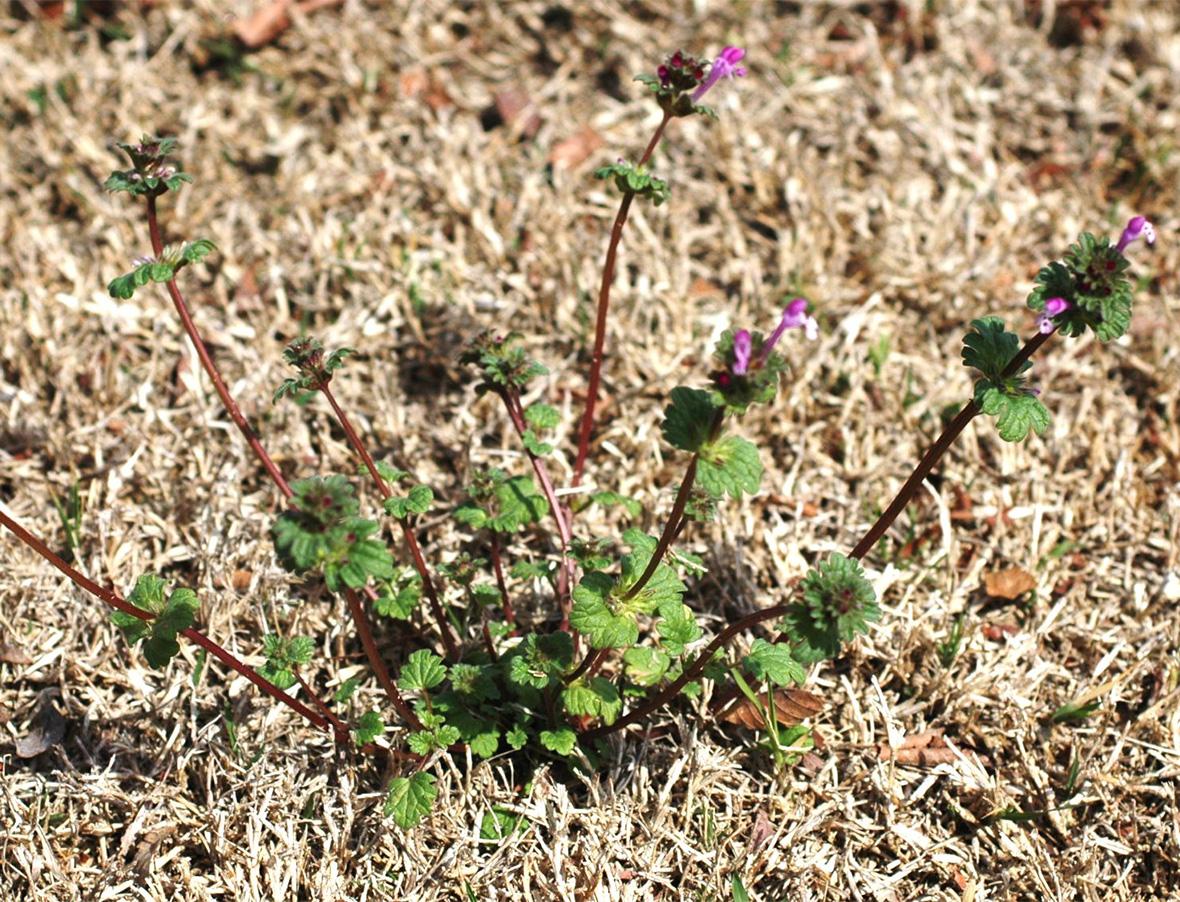
Every winter in North Texas, something rather interesting happens to our lawns. The Bermudagrass turns brown, the Zoysia settles into dormancy, and even St. Augustine dramatically slows its growth. Meanwhile, a completely different group of plants is preparing to take advantage of the situation. Annual bluegrass, henbit, chickweed, and other winter weeds begin establishing themselves just as our desirable turfgrasses are shutting down for the season. By February, some lawns look less like dormant turf and more like an enthusiastic collection of everything the homeowner never intended to grow.
What many homeowners don’t realize is that effective winter weed control begins long before those weeds become obvious. Most winter annual weeds germinate during fall, when soil temperatures and moisture conditions favor their development. They continue growing during periods of mild winter weather, often reaching maturity and producing seed before the desirable lawn has fully awakened in spring. Understanding that biological timetable is the foundation of an effective management program. Waiting until weeds become an eyesore means we’ve already allowed them several months to establish themselves.
Why Dormant Lawns Are Vulnerable
A healthy, actively growing lawn provides considerable natural resistance to invading weeds. Dense turf occupies growing space, competes for sunlight, water, and nutrients, and limits opportunities for weed seedlings to establish. During winter dormancy, however, warm-season turfgrass loses much of that competitive advantage. Bermuda and Zoysia aren’t necessarily unhealthy; they’re simply responding to environmental conditions that no longer favor active growth. Winter annual weeds operate on an entirely different seasonal schedule.
This distinction is especially important in North Texas, where relatively mild winter periods may provide favorable growing conditions for cool-season weeds while our warm-season grasses remain dormant. An otherwise healthy lawn can develop considerable weed pressure before spring arrives.
At American Lawnscape, we approach winter weed management with an understanding that different plants respond to different environmental conditions. A treatment strategy appropriate for actively growing Bermudagrass in July isn’t necessarily appropriate for the same lawn in December. The weeds change, the turfgrass changes, and our treatment decisions must change accordingly.
Winter Weed Control Begins Before the First Freeze
The most effective approach to managing many winter annual weeds begins with preventing their establishment. That’s the purpose of our fall pre-emergent herbicide applications.
Pre-emergent herbicides interfere with susceptible weed seedlings during germination and early development. These products must generally be present in the appropriate soil zone before the target weeds become established. Once weeds are actively growing, conventional pre-emergent treatments aren’t designed to eliminate them.
Texas A&M AgriLife Extension’s Bermudagrass Home Lawn Management Calendar emphasizes that winter annual weeds frequently germinate in late summer and early fall. The important point is that effective prevention often begins while homeowners are still mowing, watering, and enjoying what feels like summer weather.
Our approach at American Lawnscape begins with fall pre-emergent treatments and incorporates late-fall applications where appropriate to the seasonal program. These applications are planned around the target weeds, treatment history, product characteristics, and environmental conditions. Herbicide residual activity is not unlimited, and different winter weeds may germinate at different points during the season.
Oklahoma State University Extension’s research on controlling weeds in home lawns reinforces the importance of treating winter annual weeds before germination or while they are young and actively growing. The underlying principle is straightforward: preventing an infestation is generally easier than trying to eliminate a mature one.
I like to think of pre-emergent treatment as preparing the defenses before the opposing team arrives. Waiting until the field is full of weeds means we’ve already surrendered one of our greatest advantages.
Why Our Winter Weed Control Continues Every Month
Even a carefully timed pre-emergent program cannot prevent every weed from appearing. Treatment performance depends on timing, rainfall or irrigation needed for activation, soil conditions, product persistence, and the weed species involved. There is no universal herbicide that prevents every winter weed under every circumstance.
That’s why American Lawnscape’s 4-Season Plan includes monthly winter weed-management service. Instead of waiting until February or March to address mature infestations, we continue evaluating individual properties throughout the dormant season and applying corrective treatments when conditions warrant.
There is considerable science behind those decisions. A product effective against henbit may not be appropriate for annual bluegrass. An herbicide that performs well during mild autumn weather may respond differently when temperatures decline. Bermuda, Zoysia, and St. Augustine also differ in herbicide tolerance, particularly during dormancy and the transition into spring growth.
Cold-weather applications require additional judgment. Temperature influences weed growth, herbicide absorption, and ultimately treatment effectiveness. We use combinations of products selected for the weeds present and the prevailing conditions. When appropriate and permitted by the herbicide label, we also employ compatible cold-weather surfactants and other adjuvants to improve spray coverage, retention, or uptake. These materials can improve treatment performance under suitable conditions, but they cannot make an unsuitable product or poorly timed application effective.
University of Georgia Extension’s winter weed identification and control guidance also emphasizes the importance of identifying the target weed and selecting herbicides appropriate for the desirable turfgrass species. That’s a particularly important distinction when managing dormant warm-season lawns.
This is where field experience becomes indispensable. Our technicians observe conditions on individual properties during their visits, and I review the daily treatment routes with them to identify property-specific considerations. We are not simply applying the same mixture to every lawn because the calendar says it’s December. The program is structured, but the treatment decisions remain responsive to what we actually find.
A Cleaner Lawn for the Holidays and a Better Start in Spring
One immediate benefit of a comprehensive winter program is appearance. Even when the desirable grass has turned brown, a dormant lawn relatively free of conspicuous winter weeds presents a much cleaner landscape during the holidays. Bright green patches of annual bluegrass and flowering broadleaf weeds are certainly noticeable against dormant Bermudagrass, although not necessarily in the way a homeowner appreciates.
The longer-term benefit may be more important. Winter weeds can continue growing, flowering, and producing seed before warm-season turfgrass resumes active development. Allowing them to mature contributes to future weed pressure and can interfere with the establishment of a healthy spring canopy.
Our goal is to enter spring with a clean growing surface and as little unnecessary weed competition as practical. That doesn’t guarantee perfect green-up. Soil conditions, irrigation, temperatures, and turfgrass health still influence spring recovery. But reducing winter weed populations removes one more obstacle from the growing season ahead.
For homeowners in Little Elm and Anna who struggle with recurring winter infestations, the important question isn’t simply which company can spray the weeds already growing in February. It’s whether their lawn-treatment company has a science-backed program that begins with prevention in fall and continues monitoring and managing weeds throughout winter.
That’s the difference between an occasional weed application and a comprehensive seasonal management strategy.
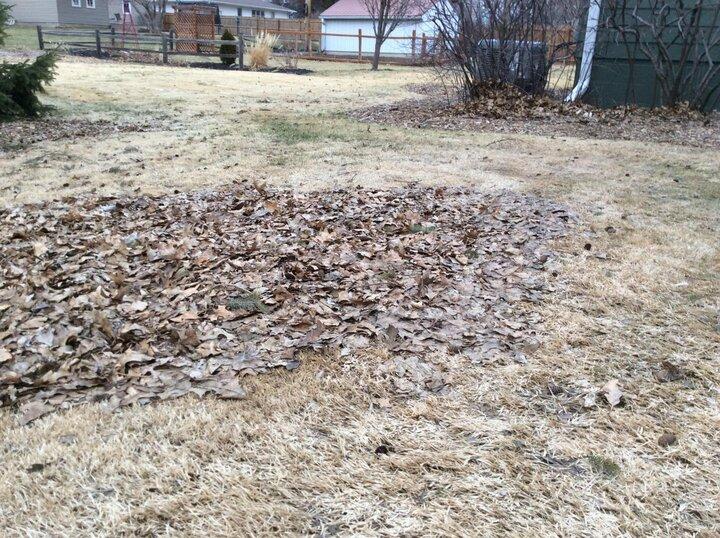
Homeowner cooperation matters, too. As we explain in our article on fall leaf removal and spring lawn recovery, accumulated debris can interfere with the growing surface and complicate lawn management. Keeping the lawn reasonably clear helps support the work being performed throughout the winter.
The Turf Veteran’s Take
One of the lessons turfgrass management teaches us is that biological activity doesn’t stop simply because our preferred grass has stopped growing. Winter weeds have their own schedule, their own environmental preferences, and an extraordinary ability to take advantage of an opportunity. Effective winter weed control requires understanding those conditions and staying ahead of them. Fall prevention, monthly winter attention, and timely corrective treatments can make an enormous difference in how a lawn looks during the holidays and what greets us when spring arrives. The best time to deal with a winter weed is often before the homeowner ever knows it was there. After all, a dormant lawn deserves a little peace and quiet, too.
We’d love to hear from you! Reach out and tell us what’s going on with your lawn!